

French Door Installation
Add a review FollowOverview
-
Sectors Techno Security Guard
-
Posted Jobs 0
-
Viewed 1
Company Description
See What French Door Adjustment Tricks The Celebs Are Using
A Comprehensive Guide to French Door Adjustment: Ensuring Functionality and Aesthetic Appeal
French doors have actually long been a beloved choice for property owners looking for sophistication and performance for their living areas. Identified by their big panes of glass and the capability to open completely, French doors can change a space by inviting natural light and producing a smooth connection in between indoor and outdoor environments. Nevertheless, like any other door, they may need modifications with time to keep their ideal efficiency. This short article will look into the subtleties of French door adjustment, checking out why modifications are required, how to perform them, and responding to common concerns on the topic.
Understanding French Door Mechanics
French doors usually consist of two panels that swing open from the center. They might have different locking mechanisms, hinges, and frame configurations, which all play a function in their general functionality. Here are some common elements involved:
- Hinges: These are crucial for swinging the door open and closed, and they need to be correctly aligned to guarantee smooth motion.
- Locks and Latches: Mismatched locks can result in security issues and impact functionality.
- Limit: The bottom part of the door frame can end up being unequal, triggering gaps and drafts.
Why French Door Adjustment is Necessary
Over time, French doors can experience misalignment due to:
- Settling of the House: Homes naturally settle, causing frame modifications which can misalign doors.
- Humidity and Temperature Changes: Wood doors can swell or diminish with humidity and temperature variations.
- Wear and Tear: Regular usage over time can lead to loose hinges or irregular thresholds.
Appropriate adjustment of French doors is vital to keep not just their aesthetic appeal however likewise their performance.
How to Adjust French Doors
Adjusting French doors includes a number of actions and may differ slightly depending on the specific configuration. Nevertheless, the following basic procedure applies commonly to most French door setups.
Step-by-Step Adjustment
- Evaluation: Begin by checking the hinges, frame, and threshold for visible gaps or misalignments.
- Collect Tools: You will require:
- Screwdriver
- Level
- Shims (if required)
- Allen wrench (if hinges are adjustable)
- Adjust the Hinges:
- Loosen the screws on the hinges somewhat.
- Using an Allen wrench, adjust the hinge screws (if relevant) to raise or decrease the door panel till it aligns properly.
- Tighten up the screws back after adjustment.
- Inspect the Alignment: Use a level along the door’s edge to ensure it stands directly. Change as required.
- Change the Threshold: If gaps persist at the bottom, use shims under the limit or change it according to manufacturer directions.
- Check the Locking Mechanism: Ensure that the doors lock firmly into place without forcing them.
- Final Inspection: Check for any draft or misalignment after modifications and right if required.
Maintenance Tips
- Routinely examine hinges and locks for wear and tear.
- Clean hinges with a lubricant to lower friction.
- Inspect weather condition stripping and change it if it reveals considerable signs of wear.
When to Seek Professional Help
While lots of property owners can resolve small adjustments individually, some circumstances necessitate professional assessment:
- Complex issues related to structural issues within your house.
- Extreme misalignment brought on by prolonged wear, necessitating replacement of hinges.
- Issues with lock mechanisms that need specialized tools and knowledge.
Common FAQs About French Door Adjustments
1. How typically must I change my French doors?Adjustments ought to
be made as needed. A seasonal check is recommended to ensure optimal performance, especially after significant weather condition modifications. 2. What tools do I require for adjustment?Basic tools consist of
a screwdriver, level, Allen wrench, and shims for
supporting irregular limits. 3. Why is my French door sticking?Sticking might result from humidity triggering the door to swell or from
misaligned hinges. Check for grooves and change as required. 4. Can I change French doors myself?Yes, with basic tools and a little knowledge of the components, many property owners can deal with basic adjustments.
5. What if my French doors will not close properly?This can indicate major misalignment or damaged hardware. Assess the scenario and think about professional assistance if it can not be solved with simple adjustments. French doors can substantially boost the aesthetic and practical qualities of a home. Though they might need periodic adjustments due to various elements such as settling, humidity, and regular usage, a couple of simple steps can
restore their efficiency. Routine inspections and proactive maintenance can lengthen the life-span of French doors, enabling house owners to enjoy their beauty and energy for several years to come. Eventually, a well-adjusted set of French doors not only serves useful functions but also contributes to the general beauty of any area. Summary Table: Key Points for French Door Adjustment Aspect Description Parts Hinges, locks, locks, threshold Common Issues Misalignment, sticking, spaces Tools Needed Screwdriver, level, Allen wrench, shims Adjustment Steps Inspect, adjust
hinges, examine positioning Maintenance Tips Regular clean-up,
| examine for wear, replace seals | |
|---|---|
| When to Seek | Help Complex issues or structural issues With this |
| knowledge at hand, house owners can guarantee their French doors remain not | |
just functional, but likewise a beautiful feature of their home.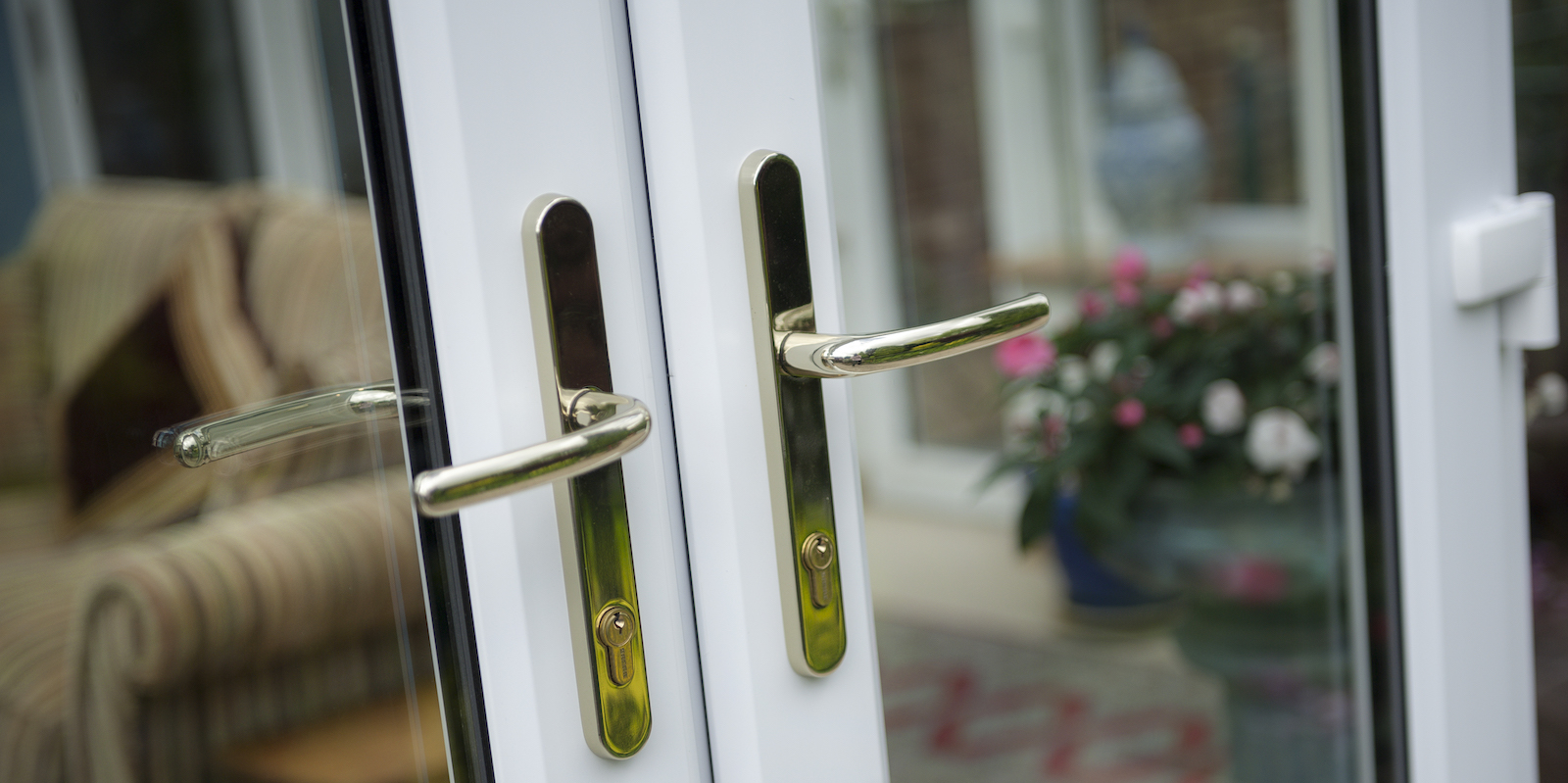
|